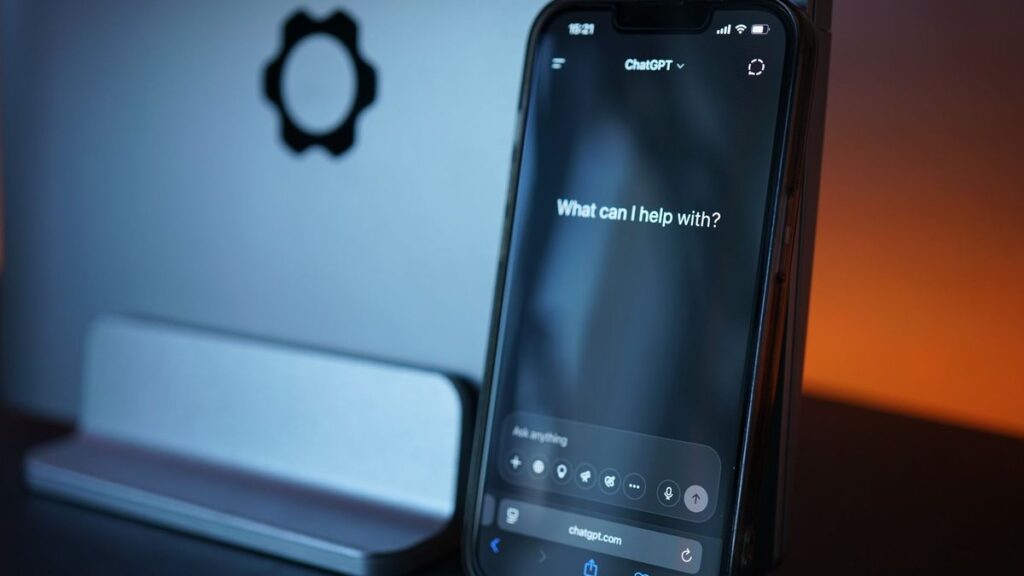
Your customers have started asking AI instead of Google
A growing share of Malaysian buyers no longer scroll through ten blue links. They ask ChatGPT which agency to shortlist, ask Perplexity to compare clinics, or simply read the AI Overview that now sits above the search results. If your brand does not appear in those answers, you are invisible at the exact moment a decision is being made, and you will never see it in your traffic reports.
What GEO and AEO actually mean
Two acronyms cover most of what the industry calls AI SEO.
GEO, Generative Engine Optimisation
The practice of making your brand citable by generative engines such as ChatGPT, Gemini and Perplexity. When someone asks “best e-commerce SEO agency in Malaysia”, GEO work determines whether the answer mentions you, a competitor, or nobody at all.
AEO, Answer Engine Optimisation
Structuring your content so it can be lifted directly into answers, Google’s AI Overviews, featured snippets, and voice results. Clear questions, direct answers, proper structured data.
Neither replaces classic SEO. They sit on top of it. A slow, thin, poorly structured website will not earn AI citations any more than it earns rankings.
Why this matters more in Malaysia than you might think
- Fewer clicks, same decisions. AI answers resolve many searches without a website visit. The businesses named inside the answer collect the enquiry; everyone else collects nothing.
- Trust transfers. When an AI assistant names your clinic or firm, it arrives with an implicit recommendation, closer to a referral than an advert.
- The window is open now. Few Malaysian SMEs have done any deliberate GEO work. Early movers in each industry are being cited repeatedly for the same questions, and those positions harden over time.
What actually earns AI citations
There is no trick to it, which is precisely why it works. Generative engines favour sources that are:
- Factually specific, real prices in ringgit, real timelines, real numbers, rather than vague marketing prose.
- Well structured, clear headings, question-and-answer blocks, schema markup that machines can parse confidently.
- Consistent across the web, your name, address, services and claims matching on your site, your Google Business Profile, and the directories that AI models read.
- Genuinely authoritative, reviews, credentials such as Google certifications, and content written by people who plainly know the subject.
What this means for your content
The old habit of publishing thin blog posts to feed a keyword list is finished. One thorough, honest page that answers a buying question completely, with figures, comparisons and a clear point of view, now outworks ten shallow ones. It can rank on Google, be quoted in an AI Overview, and be cited by ChatGPT, all from a single asset.
A sensible way to start
- Ask ChatGPT and Perplexity the questions your customers would ask, and note who gets named. That is your real competitive set.
- Audit your website’s structured data and question-answer coverage.
- Rewrite your key service pages to answer buying questions directly, with specifics.
- Tidy your presence everywhere AI models look, reviews, profiles, citations.
Treat AI visibility as part of your brand’s reputation, managed with the same care as your Google rankings. The brands that appear composed and credible inside AI answers today will be the default recommendations of the next few years.
Curious whether AI engines mention your brand at all? WhatsApp IZI at for a free visibility check.